
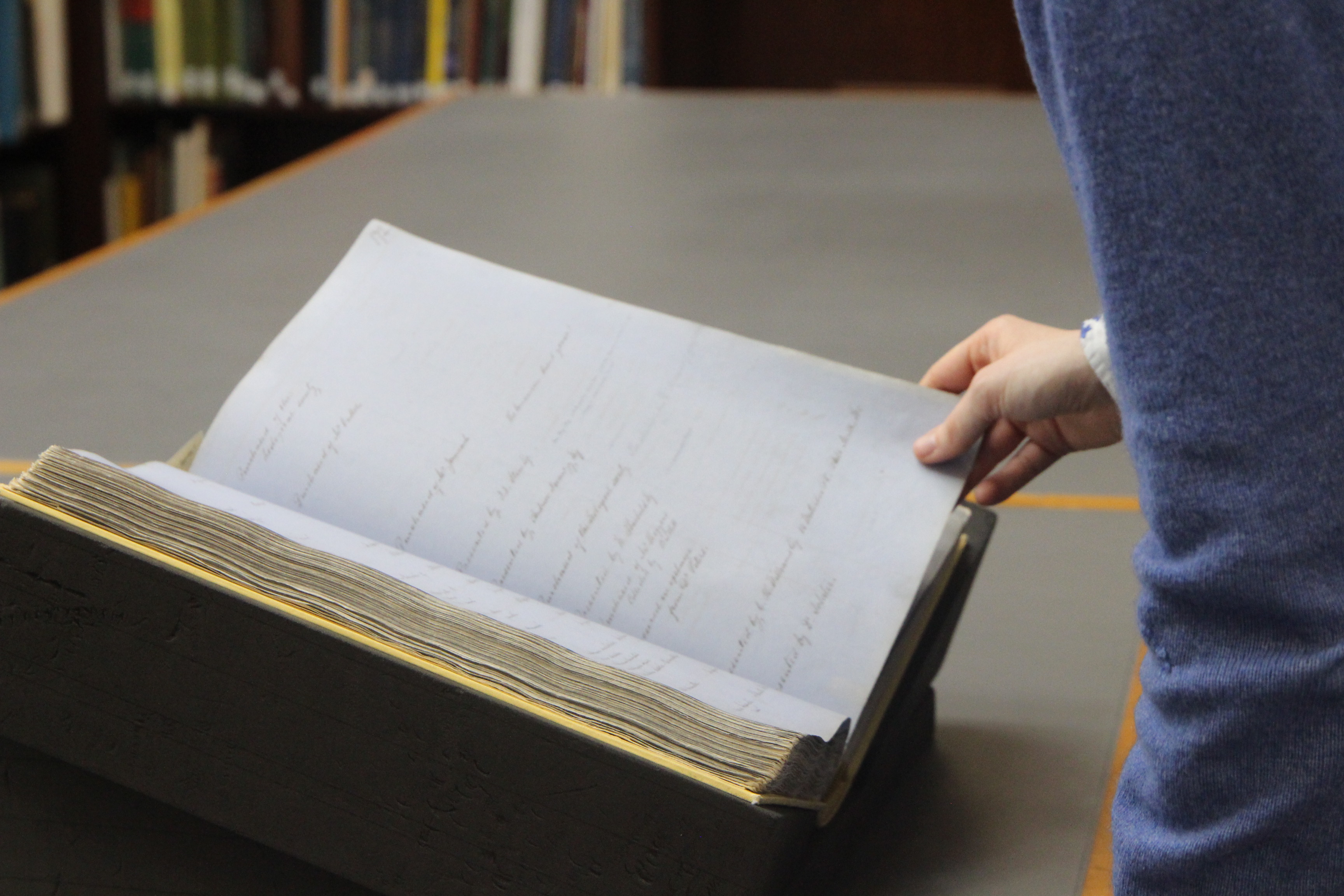
Charlotte Wood, studying for a PhD in archaeology, is working with the Natural History Museum to tell the story of an antelope ‘type specimen’ collected by King Rumanika of Karagwe (now part of Tanzania).
Type specimens are the official reference point for named species.
This antelope – Sitatunga or Tragelaphus spekii - is named after John Hanning Speke who donated it to the museum in 1863, but Charlotte’s research has resulted in King Rumanika’s previously overlooked role as officially commemorated in the museum’s register and labelling.
Charlotte said:
“Scientific collections like ours are built with the knowledge and labour of diverse communities. This diversity has not always been fully understood because historically, different people’s contributions have not been equally valued and recorded.”
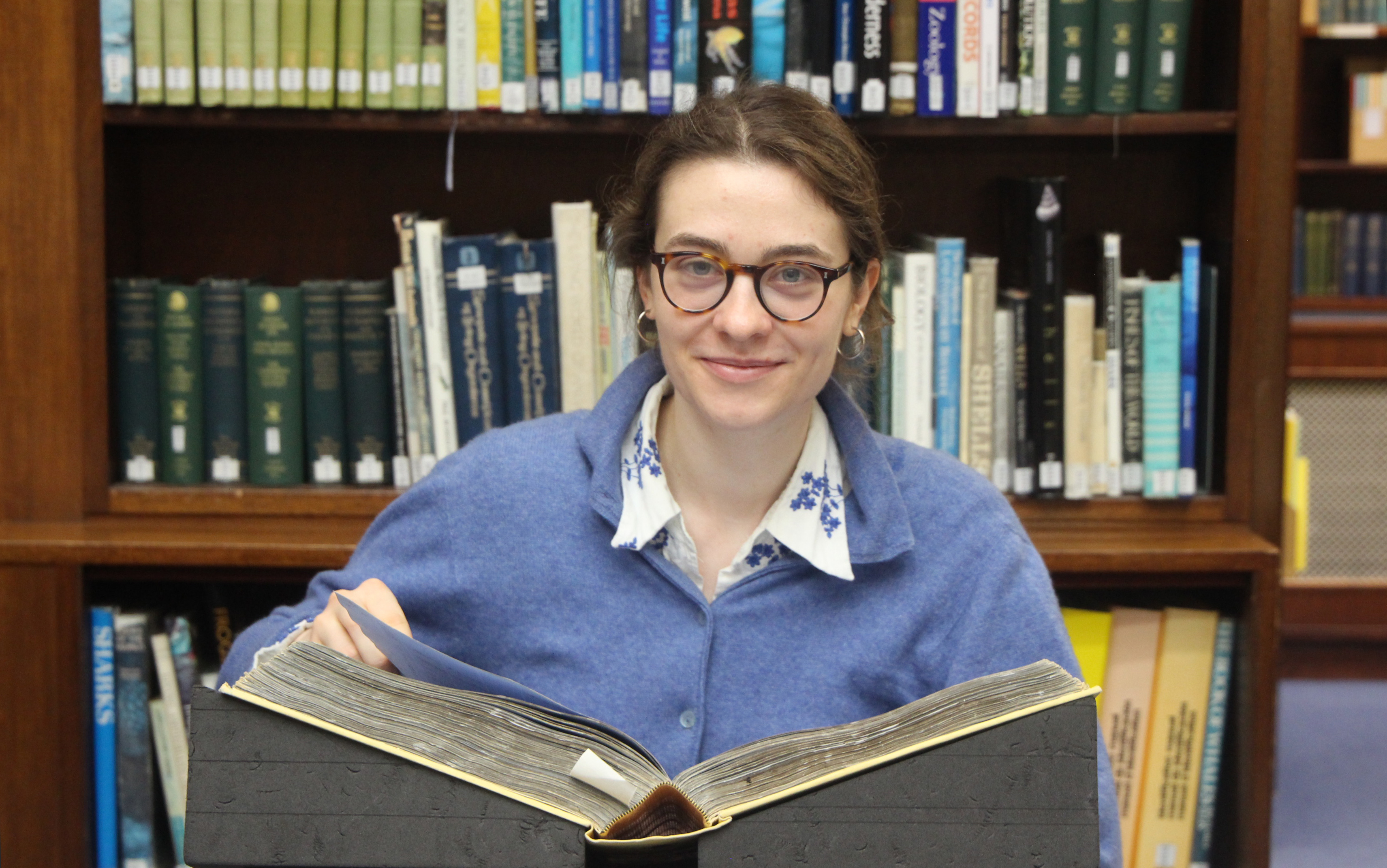
Charlotte’s research on Speke uncovered his close friendship with the East African King and she realised that the Museum’s specimen of the Sitatunga, a swamp-dwelling antelope, had been a gift from Rumanika to Speke in the early 1860s.
The two men exchanged gifts including the sitatunga specimen and Rumanika gave Speke a reference for his onward journey to Uganda where he then acted as an intermediary for Rumanika to forge a closer alliance with the King of Buganda (now in Uganda).
Although Speke explicitly credited Rumanika in scientific circles, the specimen and information was assumed lost.
Charlotte said:
“Re-labelling the specimen is an important step in recognising that individuals like Rumanika were active agents and not mere intermediaries in collecting.
Rumanika exemplifies how East African natural historical knowledge and his own political agenda actively enabled the discovery of a species previously unknown to European scientists.”
Read Charlotte’s blog which tells the full story.
Charlotte and alumna Professor Sadiah Qureshi will speak at a public event at the National History Museum on Saturday 25 April, 11:30–12:45. This event is for young people interested in climate action and how critical perspectives on the past can build sustainable futures. The event is free but booking is required.
Interpreting Nature Under Empire: Stories from the Collections | Natural History Museum
Photo credits: Natural History Museum, London