
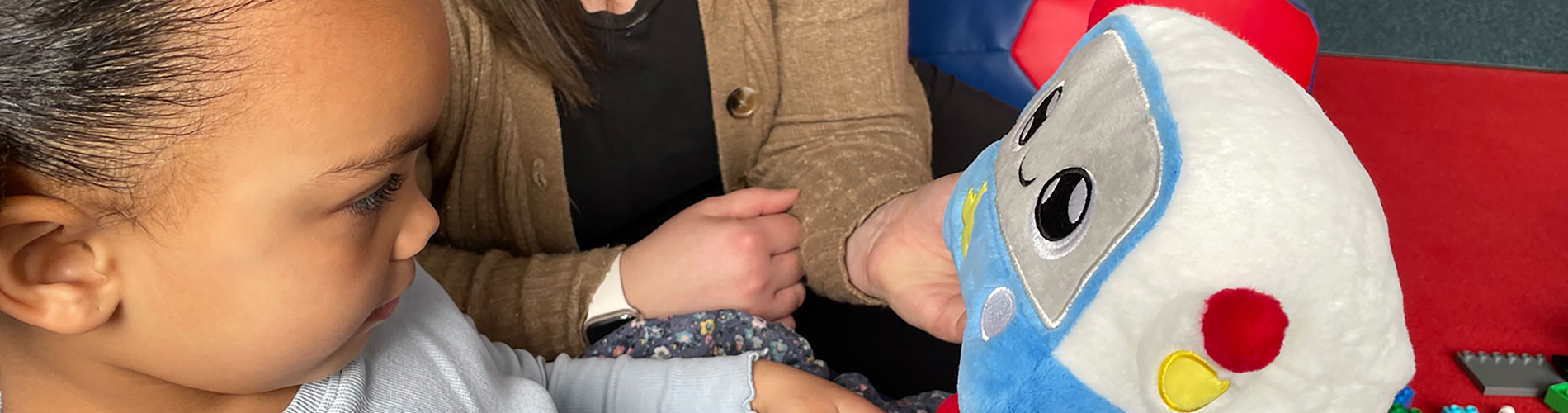
A report co-authored by Fellow, Professor Jenny Gibson warns that tighter regulation of AI toys is needed to ensure children’s psychological wellbeing.
The report is based on the first systematic study of how Generative AI (GenAI) toys affect young children undertaken by researchers from the Play in Education, Development and Learning (PEDAL) Centre at the Faculty of Education.
The study included structured scientific observations of early years (birth to age five) children interacting with a GenAI cuddly toy called Gabbo, an online survey, and focus groups with early years educators to explore their attitudes and concerns.
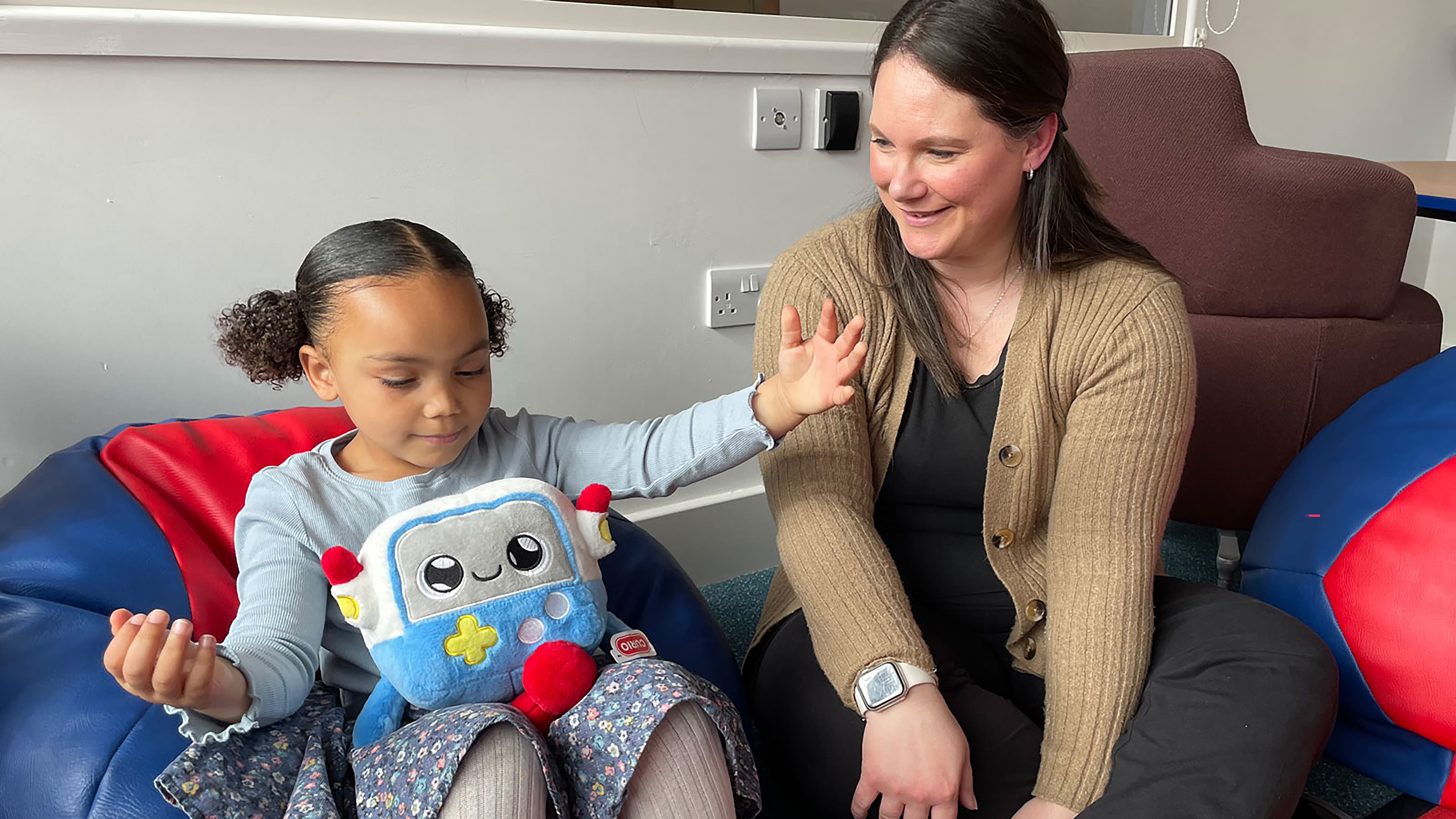
GenAI toys are increasingly marketed towards young children. While participants in focus groups saw potential for these toys to support language and communication needs through conversation, the researchers found that the toys struggle with social and pretend play, misunderstand children, and react inappropriately to emotions expressed.
For example, when a child told Gabbo he was sad, the toy responded “Don’t worry! I’m a happy little bot. Let’s keep the fun going. What shall we talk about next?”
Co-author, Dr Emily Goodacre said:
Because these toys can misread emotions or respond inappropriately, children may be left without comfort from the toy – and without emotional support from an adult, either.”
The report makes recommendations for the key parties with an interest in AI toys. These include that manufacturers test toys with children and safe-guarding specialists, that parents research GenAI toys and play with children when interacting with the toys, and more transparent privacy policies and tighter controls over third party access to AI models.

Jenny Gibson, professor of neurodiversity and developmental psychology at the Faculty of Education, said:
“A recurring theme during focus groups was that people do not trust tech companies to do the right thing.
Clear, robust, regulated standards would significantly improve consumer confidence.”