
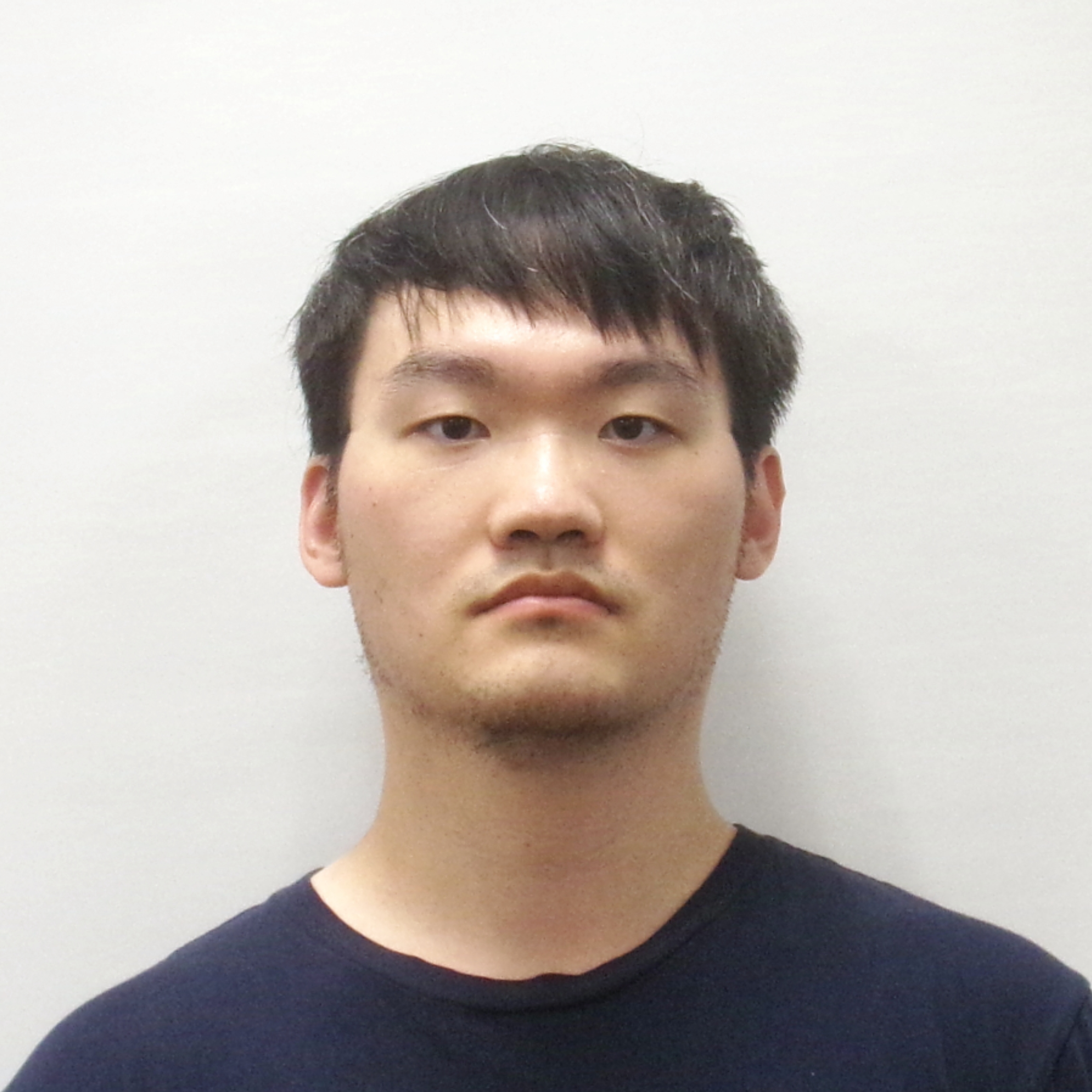
Dr Housaiyin Li is a cancer immunologist interested in how interactions between tumours and the immune system shape cancer progression, metastasis and response to immunotherapy. His research combines mechanistic immunology with translational approaches to understand tumour immunosuppression, the tumour microenvironment and mechanisms that enable cancer cells to evade immune elimination.
During his PhD at the University of Pittsburgh, Housaiyin explored a fundamental question in cancer immunology: why are some tumours successfully recognised and eliminated by the immune system, while others survive and progress despite an active immune response? He investigated the dynamics and functional states of tumour-infiltrating T cells during cancer immunotherapy, using human tumour samples alongside single-cell transcriptomic and T cell receptor sequencing, multiplex imaging and functional immunological approaches. Focusing on head and neck cancer, his work revealed distinct CD8+ T cell states and clonal dynamics associated with responses to different immune checkpoint inhibitors, providing insights into the cellular basis of effective anti-tumour immunity and identifying potential biomarkers of treatment response.
Building on this interest in the dynamic relationship between cancer and the immune system, Housaiyin's current research focuses on the mechanisms of tumour immunosuppression and immune surveillance during cancer progression and metastasis. His work investigates how the tumour microenvironment influences interactions between cancer and immune cells, including the cellular and molecular mechanisms that allow tumour cells to evade immune elimination and persist at early stages of metastatic development. More broadly, his research aims to identify vulnerabilities in tumour-immune interactions that can be exploited to improve cancer immunotherapy and prevent metastatic disease.
Selected Publications:
Li H, Zandberg DP, Kulkarni A, et al. Distinct CD8+ T cell dynamics associate with response to neoadjuvant cancer immunotherapies. Cancer Cell. 2025;43(4):757–775.e8.
Wesolowski AJ, Pillay AM, Vardaka P, Nasrallah R, Greaves R, Li H, et al. Tumor-derived antioxidants suppress immunity by depriving T cells of reactive oxygen species. Science. 2026;393(6815):1036–1044.
Wang J, Li H, Kulkarni A, et al. Differential impact of TIM-3 ligands on NK cell function. Journal for ImmunoTherapy of Cancer. 2025;13(1).
Ruffin AT, Li H, Vujanovic L, et al. Improving head and neck cancer therapies by immunomodulation of the tumour microenvironment. Nature Reviews Cancer. 2023;23:173–188.
Awards and Prizes:
Marie Skłodowska-Curie Actions (MSCA) Postdoctoral Fellowship, 2026